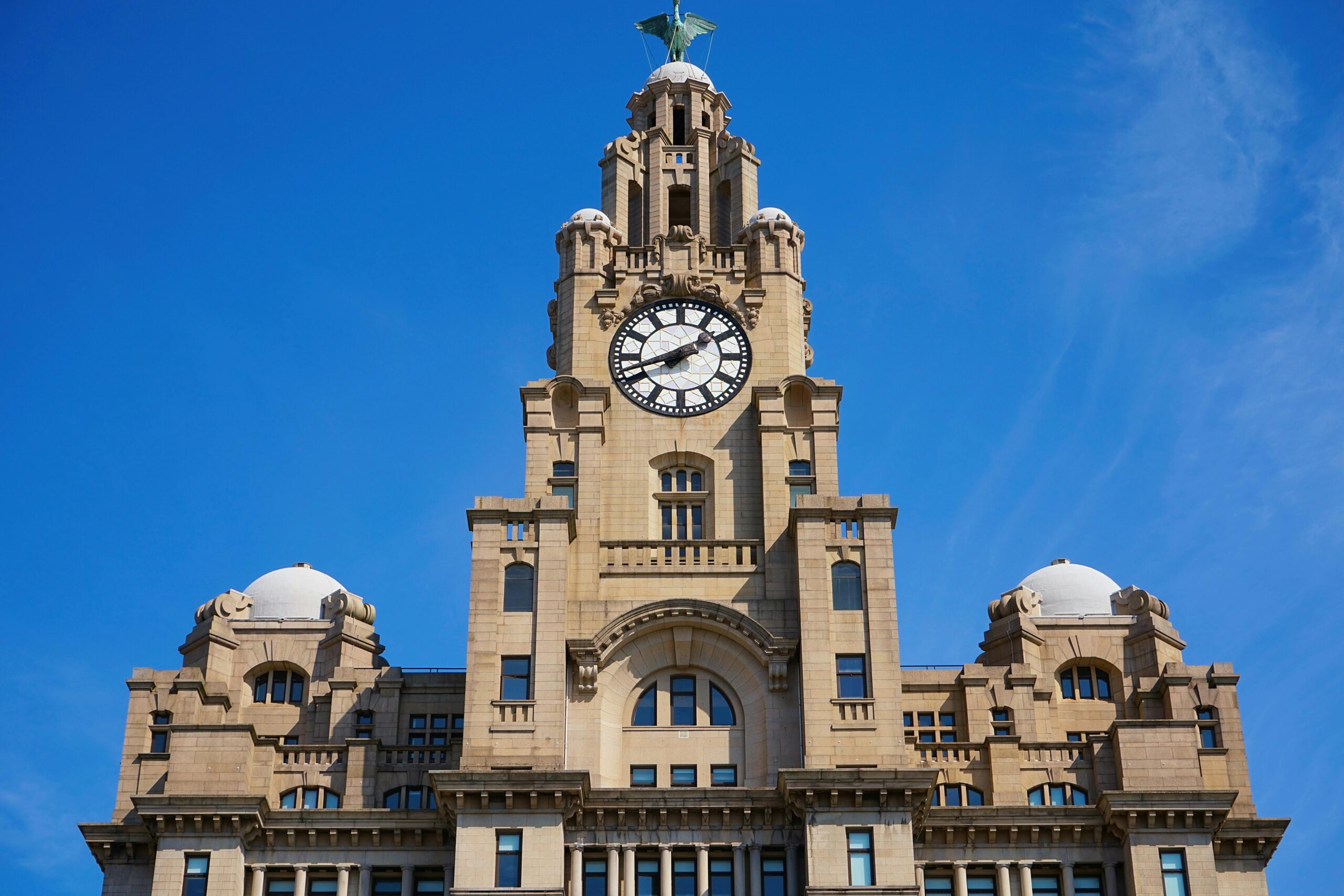
Liverpool is known for historic heritage when it comes to its architectural identity, with many of the UK’s most iconic and recognisable buildings residing in the city. One of the most prevalent examples of this is the Grade-I listed Royal Liver Building, which has now been bought for a massive £60 million according to reports.
The Royal Liver Building was opened in 1911 and is known for the Liver Bird statues that sit atop the structure, an image that has become a quintessential representation of the city in general. The building was previously partly owned by former Everton FC owner, Fahad Moshiri, but now the famous structure has been acquired by food and drink manufacturer Princes.
Princes have long been based in the building itself, with their tenure dating all the way back to 1982, and they have 400 staff on-site. The acquisition of this building will now allow Princes to utilise this iconic space for its corporate headquarters.
It is said that there are also plans for Princes to expand their use of the building so it can be a space for public engagements, events and more. However, all operations and tenant arrangements in the building will remain unchanged with no immediate modifications planned at this stage.
It has been revealed that this acquisition is also part of a broader £83 million real estate plan for the company too, alongside a facility in Leeds.
The sale of such an iconic and lucrative structure in the heart of the city centre means great things for property jobs in Liverpool, demonstrating the scale of opportunity that can be found for those who work within the field and the level of investment that can be found in key sales.
Chief Executive Officer of Princes, Simon Harrison, states that ‘securing the Royal Liver Building reflects our commitment to this great city, our people, and sustainable success. The Royal Liver Building is an enduring symbol of Liverpool, and it’s an honour for Princes to call it our home.’
Chief People Officer at Princes, Joe Dent, also added that ‘with the purchase of the Royal Liver Building, we are investing in the future of our teams in a place that they take great pride in. Being headquartered in such an iconic location will continue to inspire our colleagues and cement our deep and meaningful connection to Liverpool.’
The Royal Liver Building is one of the most iconic buildings in the city skyline, and to see it acquired by an organisation that has called the space home for 44 years demonstrates a real commitment to city. It will be exciting to see how the organisation makes the space their own as well as what exciting events and new business may be brought to the city via this acquisition.